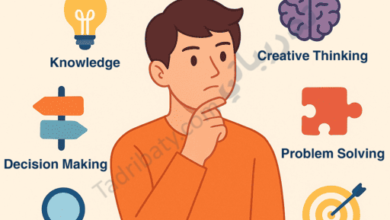
Focus in the classroom and understanding lessons are among the most important factors that determine a student’s academic success. With the increasing number of distractions and rising academic pressure, many students struggle to maintain attention throughout the lesson. This is why using simple ways to improve focus has become essential for both teachers and students. Practical and effective strategies can help enhance attention, improve understanding, and make learning more meaningful and enjoyable. In this article, we explore proven methods that support better focus and deeper lesson comprehension in an easy and realistic way.
Simple Ways to Help Students Improve Focus in the Classroom
Breaking Lessons into Short Sections
Students’ minds process information better when lessons are divided into smaller parts.
Instead of continuous explanation for long periods, teachers can use:
- Short explanations
- A quick activity
- A brief question or discussion
This approach keeps students mentally active and reduces distraction.
Using Interactive Teaching Methods
Interaction significantly increases focus and engagement. Examples include:
- Quick questions
- Short discussions
- Simple competitions
- Visual cues and signals
Even small participation moments help students stay attentive during the lesson.
Including Movement in Learning
Movement activates the brain and restores mental energy.
Simple examples include:
- Standing while answering
- Moving between small groups
- A short physical activity lasting 30 seconds
These brief movements help students regain focus and refresh their thinking.
Reducing Classroom Distractions
A calm and organized classroom environment strongly supports concentration. Practical steps include:
- Seating students away from windows or corridors
- Removing unnecessary tools from desks
- Clearly defining activity areas
Varying Voice Tone During Teaching
A monotone voice can cause students to lose focus quickly. Teachers can:
- Raise their voice slightly
- Change tone unexpectedly
- Speak quietly at key moments
These variations naturally attract attention and maintain engagement.
Simple Ways to Improve Students’ Understanding of Lessons
Connecting Lessons to Real Life
The brain remembers information more effectively when it relates to real experiences.
For example, in a math lesson about area, teachers can relate the concept to the size of a student’s room or playground.
Summarizing the Lesson at the End
Summarization helps students organize and retain information. Simple methods include:
- Listing three key points learned
- Writing one sentence to summarize the lesson
- Creating a small mind map
Using Multimedia Tools
Images and videos enhance understanding because they:
- Stimulate visual memory
- Support quick comprehension
- Address different learning styles
Providing Opportunities for Practical Application
Practice makes learning deeper and more stable. Examples include:
- Solving a problem
- Completing a hands-on activity
- Conducting a short experiment
- Role-playing scenarios
Encouraging Students to Ask Questions
Asking questions shows that students are thinking and trying to understand. Questions promote:
- Critical analysis
- Deeper understanding
- Active participation
Practical Tips for Teachers to Improve Classroom Focus
Start the Lesson Strong
Begin with a question, image, puzzle, or real-life situation to capture students’ attention from the start.
Use Time Management Strategies
Effective tools include:
- Timers
- Digital countdowns
- Clear task segmentation
This prevents confusion and supports structured thinking.
Build Positive Relationships with Students
Students who feel safe and comfortable emotionally are more capable of focusing and participating.
Provide Immediate Feedback
Smart and timely feedback helps students correct misunderstandings quickly, improving comprehension and learning quality.
Simple Self-Strategies for Students to Improve Focus
- Getting enough sleep
- Drinking water regularly
- Organizing notebooks
- Using colored pens for highlighting
- Sitting in the front seats
- Completely removing the phone during study time
Conclusion
Improving focus and understanding lessons does not require complex methods. Small and consistent steps can be easily applied by teachers in the classroom and learned by students in their daily routines. When effective teaching strategies combine with healthy learning habits, students’ academic performance improves significantly, and learning becomes more productive and enjoyable.
Read also:
• Best Effective Study Strategies Before Exams
• Thinking Skills Every Student Needs for Academic Success
• How to Overcome Difficulties in a Subject and Make Progress?
• Life Skills Every Student Should Learn (A Practical Guide for Schools and Families)